
Walk & Talk Therapy
“When I’m out in nature it’s like I can see things from a different perpsective.”
“I spend all day sitting down in front of the screen. But when I can go for a walk I feel like I can breathe and come alive.”
“Being stuck indoors makes me anxious and claustrophobic.”
“Sometimes I just need to connect to nature to remember who I am and what the important things in life really are.”
“The modern world feels too crazy and hectic. Sometimes I just need to slow down so I can look within.”
What is walk & Talk Therapy?
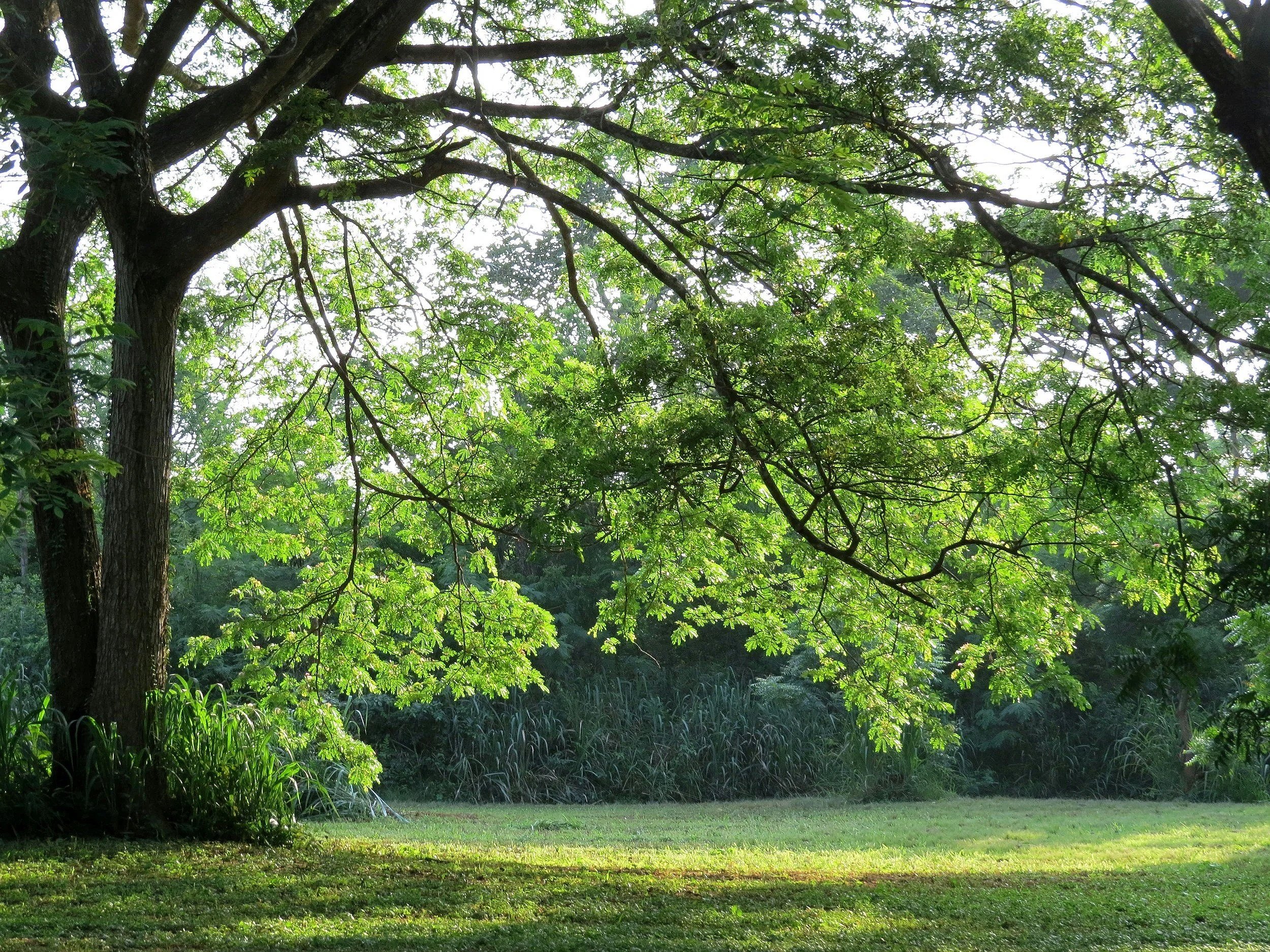
Walk and Talk Therapy is a form of psychotherapy that is conducted outdoors while walking. When possible, it takes place in natural settings - be it a city park or areas farther from urban settings.
The goal is to be outdoors, to have the body in movement, and to weave our connection to nature into the therapy session to maximise benefits to wellbeing and the therapeutic process.
benefits of Walk&Talk therapy
Movement can support a more open and embodied way of thinking, allowing thoughts and emotions to unfold with greater ease. In Walk & Talk therapy, the simple act of walking in nature often helps people connect different parts of their experience, making it easier to find language and metaphors for complex inner states.
From an ecopsychology and ecotherapy perspective, being outdoors can gently shift our sense of perspective. The rhythm of walking, combined with the sensory richness of the natural environment, can help reduce anxiety, support regulation, and create space for new insights to emerge.
The side-by-side format of Walk & Talk therapy can also feel less formal and more approachable than a traditional consulting room. For many people this setting can offer a greater sense of ease, safety, and relational comfort.
When is Walk&talk recommended?
Walk&Talk therapy is particularly recommended for people who enjoy being outdoors and in contact with nature.
Research has shown connection to nature to be an effective modality to address complex emotions, including grief and loss, and to address the symptoms of eco-anxiety.
Walk&Talk, with it’s emphasis on movement and nature metaphors also lends itself to work on self-esteem and empowerment.
In some cases it may also be helpful when working with Trauma and PTSD for its connection to emotional regulation. It is however important to prioritize the sense of safety: for some people, a park may feel safe, for others, the privacy of the therapy room might be best.
What to consider for walk&Talk
There are a number of things to consider before setting out for a Walk&Talk session.
Client’s comfort level with nature: not everyone has the same relationship to nature. Some might find the outdoor setting distracting, others might have fears or dislike around natural elements such as bugs.
Weather and Climate: because Walk&Talk therapy takes place outdoors, it is important that both client and therapist are comfortable with the weather conditions and have a “plan B” in case of storms or extreme heat.
Confidentiality: Walk&Talk therapy cannot always guarantee full confidentiality. It is important to discuss this before setting a session, running through various possibilities, including running into someone the client or the therapist knows.
Physical ability and comfort with walking: It is possible to adapt the outdoor setting to include any form of physical disability or comfort/discomfort around walking.
When do you “prescribe” walk&Talk?
Before setting out for a Walk&Talk session I would want to meet you in the office for an introductory session to find out more about you and your goals for therapy. If you are interested in Walk&Talk Therapy we would then discuss what it could look like and what your specific interest in this modality is.
I might also introduce this possibility of trying out a Walk & Talk session if it looks like the theme of our therapy or your specific needs might fit this modality.
What to expect from a W&T session
I use two different locations: one is a city park, the other is less urban, just outside Milan. Depending on our goals for therapy and other considerations (see above) we can chosse one of the two and meet directly there.
We will then have 50 minutes in which to walk….talk. Depending on the goal we have, we may have moments of interaction with the elements we find along the way, in particular if the goal is around emotional regulation, stress reduction, and connection to nature. It may also be that there is minimal interaction with nature and the focus is on the “talking” part of psychotherapy, with nature as a restorative backdrop and the walking as a way to facilitate the psychotherapeutic process.
curious about walk&talk therapy?
If you want to know more about Walk&Talk therapy, you can reach out and set up an introductory session (in the office, to start off with).
You can also check out my blog to find out more about ecopsychology and other forms of ecotherapy, or follow me on Social Media using the links at the bottom of this page.
And if you want to explore more possibilities of connecting mental health and nature, check out my events page.